
By David Arbar Sewarlu
📧 dsewarlu@gmail.com
📞 WhatsApp: 0886-632-525
MONROVIA, February 7, 2026 — Liberia has renewed calls for the swift passage of the Women and Girls Protection Bill, as concerns over the continued practice of Female Genital Mutilation (FGM) remain a major human rights and public health issue in the country.
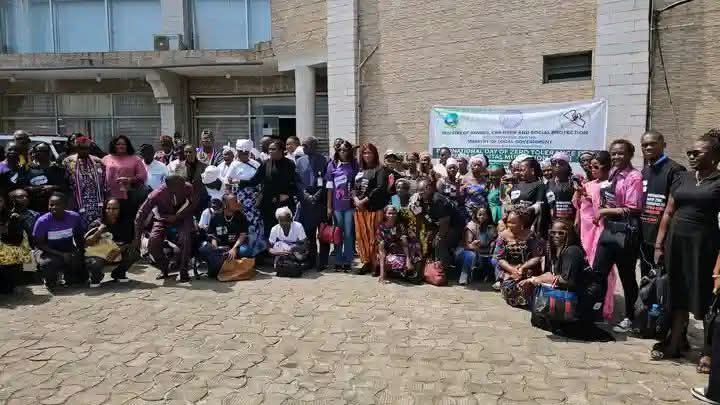
The renewed push comes as government officials, United Nations representatives, and civil society organizations on Friday, February 6, 2026, joined the rest of the world to commemorate the International Day of Zero Tolerance for Female Genital Mutilation. The event focused on strengthening legal protections for girls and ending the harmful practice nationwide.
Despite years of advocacy, Liberia still lacks a comprehensive national law that explicitly criminalizes Female Genital Mutilation. Advocates say the absence of a clear legal framework continues to leave girls and women vulnerable, particularly in rural communities where the practice is deeply rooted in traditional initiation systems.
Globally, more than 230 million girls and women are estimated to have undergone Female Genital Mutilation, according to the United Nations. Liberia remains among the few countries in West Africa yet to enact a specific law banning the practice, despite being a signatory to international human rights treaties including the Maputo Protocol, CEDAW, and the Convention on the Rights of the Child.
Speaking at the commemoration, UN Women Deputy Representative, Yenei Fakayajo, emphasized that symbolic actions alone are not sufficient to eliminate FGM. She noted that while public declarations and temporary bans are important, they must be backed by sustained political will, adequate resources, and enforceable legislation.
She stressed that ending FGM requires long-term commitment at all levels of government, alongside community engagement and investment in education, health services, and protection systems for girls at risk.
In recent years, Liberia has relied on temporary measures, including a three-year moratorium declared in 2022 and a 2023 nationwide proclamation against FGM by the National Council of Chiefs and Elders. However, rights groups argue that these measures lack the force of law and have faced enforcement challenges.
The Women and Girls Protection Bill, currently before the Legislature, seeks to prohibit harmful traditional practices, including Female Genital Mutilation, and provide stronger legal protection for women and girls. Civil society organizations are urging lawmakers to prioritize the bill and move toward its passage.
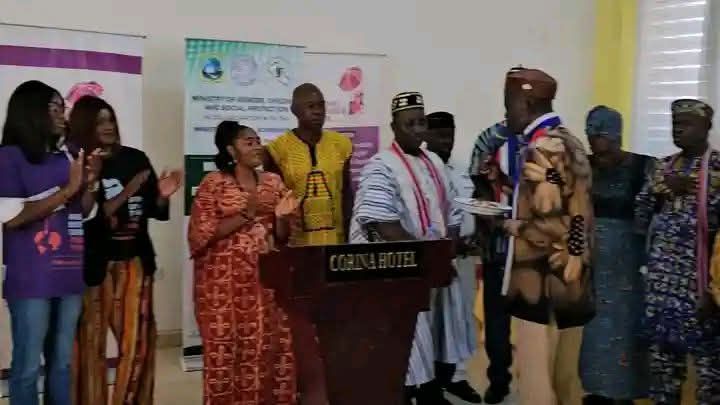
As Liberia continues discussions around the proposed law, advocates say commemorations such as the International Day of Zero Tolerance for FGM should serve as a reminder that awareness must be matched with concrete legal action to safeguard the rights, health, and dignity of girls across the country.
 Image TV
Leave a comment